
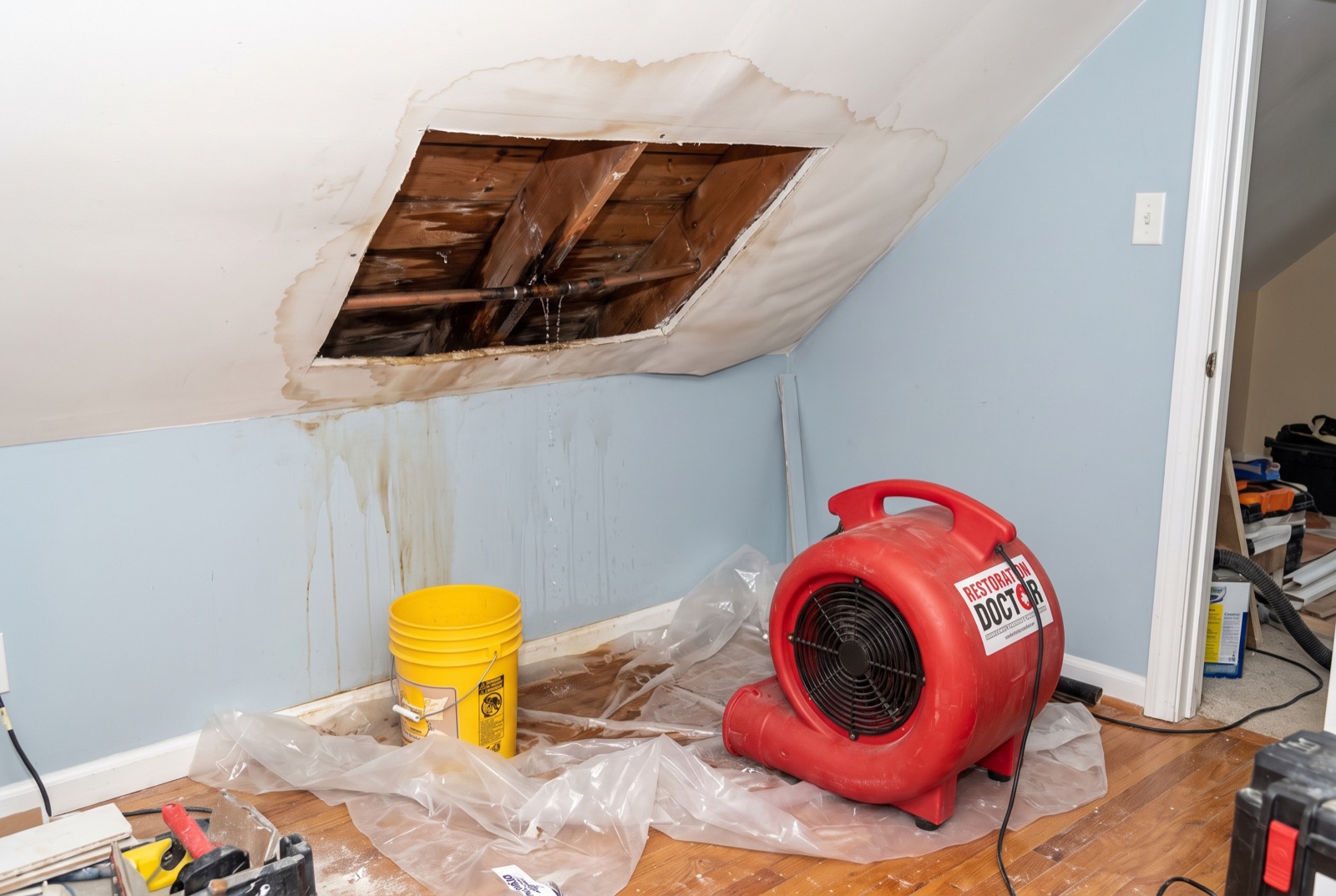
Water Damage Restoration in Lauderdale-by-the-Sea, FL
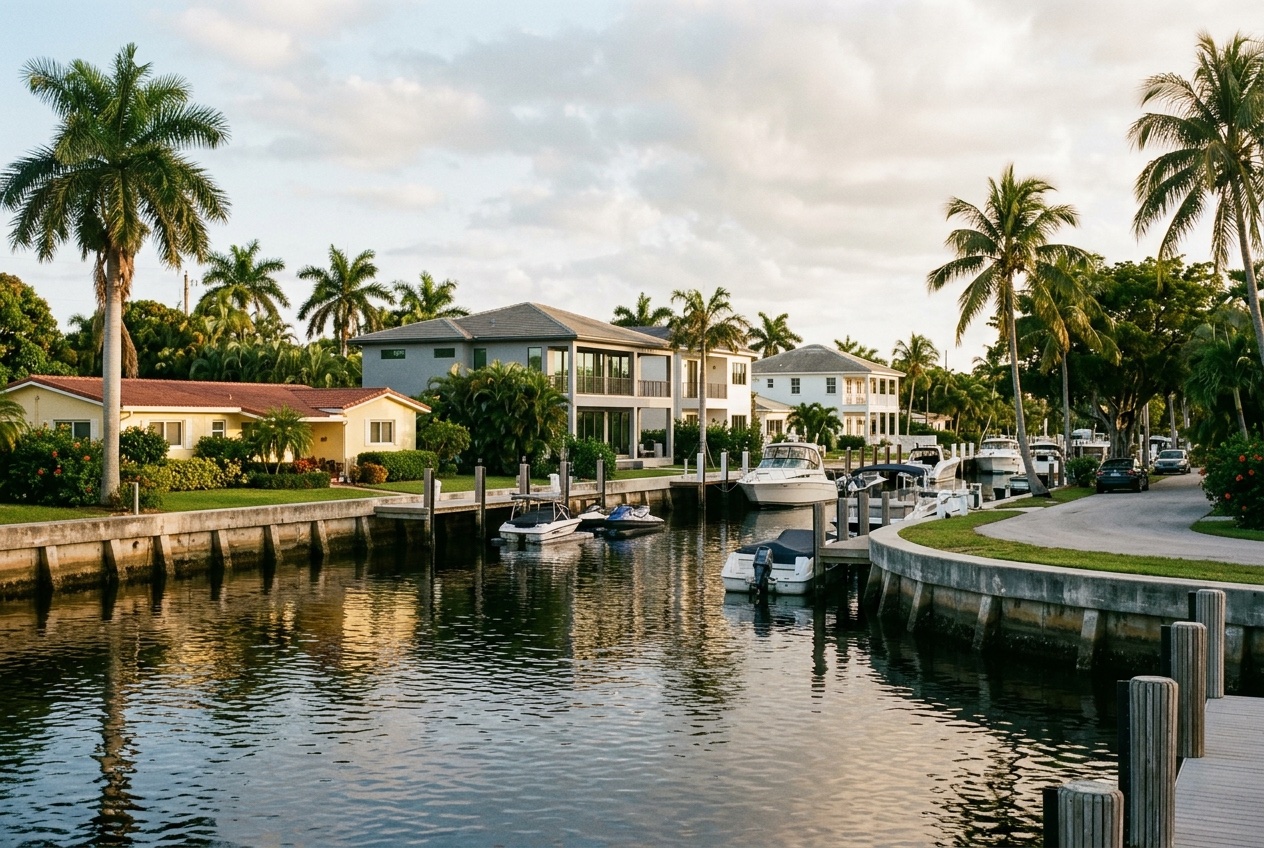
Water damage restoration Lauderdale-by-the-Sea properties need is shaped by a hard geographic fact: this is a barrier-island town, not an inland Fort Lauderdale neighborhood. Lauderdale-by-the-Sea is its own municipality — a strip roughly two and a half miles long and half a mile wide, wedged entirely between the Atlantic Ocean and the Intracoastal Waterway just north of Fort Lauderdale. Water is on both sides, the island is low, and much of it sits in a Special Flood Hazard area. Restoration Doctor of Miami responds here 24/7 at (786) 213-9489, and we scope every loss for a coastal, water-flanked structure.
The housing is distinctive too. The town's 'old town' core is known for low-rise condominiums — buildings capped at four stories — with larger beachfront buildings north of Pine Avenue. That means most of our work here is in multi-unit buildings, where a single failure can send water through several units and shared assemblies at once, and where an HOA, a property manager, and multiple owners all have a stake in how the loss is handled.
We serve Lauderdale-by-the-Sea as the South Florida arm of the multi-state Restoration Doctor organization, dispatching from a regional operations center at 1200 Brickell Ave, Suite 1950 #1007, Miami, FL 33131. We are not a local storefront on El Mar Drive — our crews come to the island. Below: the barrier-island flood picture, salt air, and multi-unit losses.
How we dry Lauderdale-by-the-Sea properties
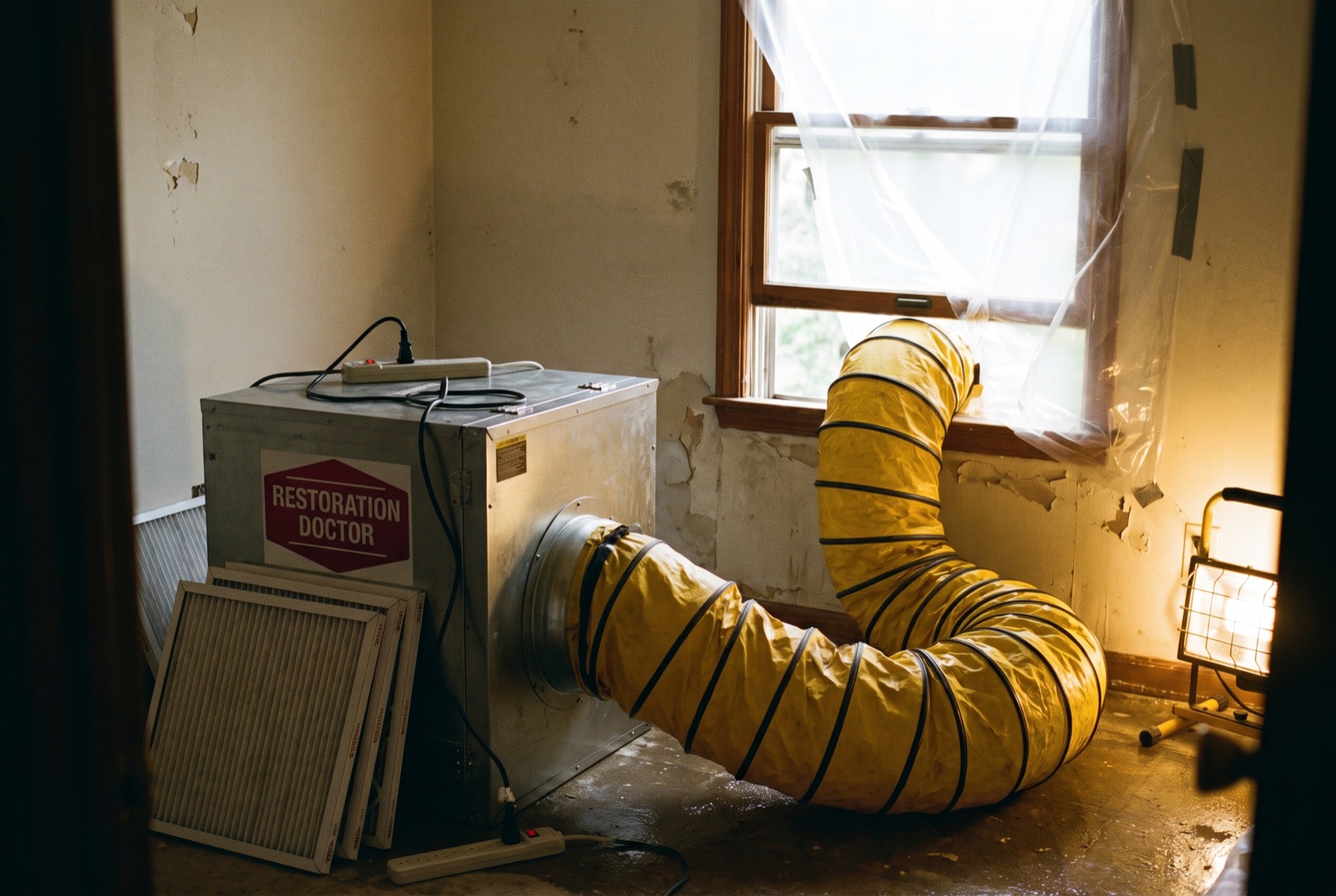
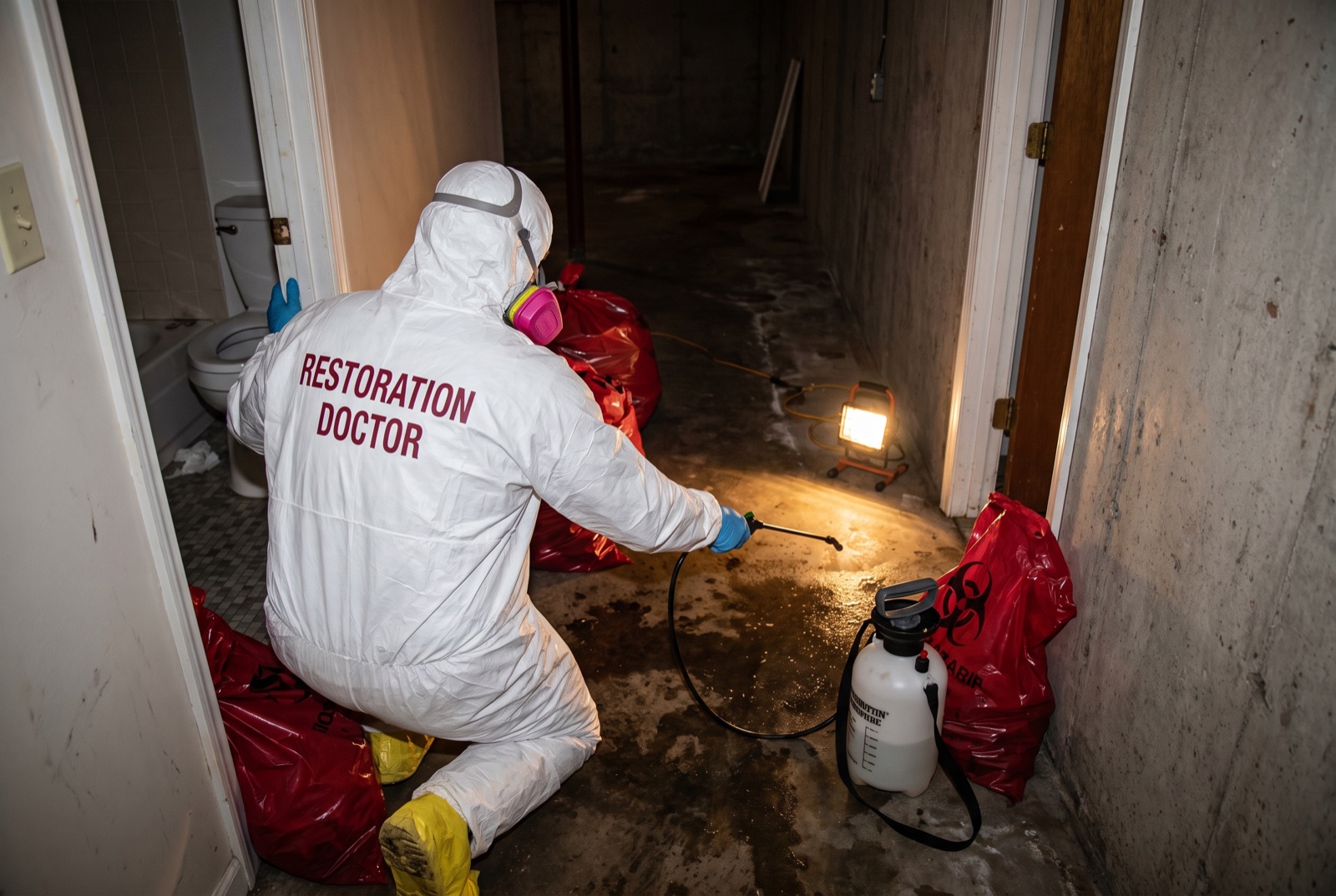
Illustrative views of the equipment and process our crews deploy — extraction, air movers, LGR dehumidification, moisture mapping, and containment.
How water damage behaves in Lauderdale-by-the-Sea
A low barrier island between ocean and Intracoastal
Sitting on a narrow, low barrier island with the Atlantic on one side and the Intracoastal on the other, Lauderdale-by-the-Sea carries real flood exposure — properties east of the coastal construction line and those on or near the Intracoastal and connecting canals fall within Special Flood Hazard areas. Tidal flooding, storm surge, and heavy rain can all put water at grade with short paths inland. Rising water that enters a building is contaminated under the IICRC S500 standard, handled with extraction, removal of unsalvageable porous materials, treatment, and verification — never fans alone.
Because the island is narrow and low, we document each intrusion path carefully. Whether water arrived from the ocean side, the Intracoastal, a canal, or overwhelmed drainage matters to how the loss is classified and scoped, and a clear record from the first walkthrough serves the building and its owners as the claim proceeds. Rising water from tide, surge, or drainage is generally addressed by separate flood coverage rather than a standard policy; policies vary and we make no coverage promises, but we document the entry path precisely because that distinction matters.
Salt air, coastal corrosion, and older buildings
Life directly on the ocean means salt is always in the equation. Chlorides in the air and in any brackish intrusion keep attracting moisture and corroding fasteners and hardware long after a surface looks dry, so a coastal loss here is flushed, cleaned, and verified differently than a freshwater break inland. We document salinity-exposed materials specifically, because the correct scope for a salt-exposed assembly removes what salt has genuinely claimed and verifies the rest.
The town's older low-rise buildings compound this: decades of coastal exposure mean materials may already be compromised before a water event ever hits. Verification with instruments, against a documented dry standard, is how we separate what can be dried and saved from what needs to go.
Multi-unit losses, HOAs, and shared assemblies
In a four-story condo, a single failure is rarely a single-unit problem. Water from an upper unit travels through shared floor and wall assemblies into the units below and into common areas, so the drying scope spans multiple owners and the association's common elements at once. We coordinate access, map the full spread, and dry the shared assemblies — not just the unit where the failure started — because moisture left in a party wall or ceiling cavity becomes the next owner's mold problem.
One point we make plainly to owners and managers: you choose your restoration contractor, and emergency mitigation to stop ongoing damage is the property's decision to make. We begin when you authorize the work. Where drying reveals established growth in these humid coastal buildings, we remediate under the IICRC S520 standard with containment, and we document everything so multiple stakeholders share one clear record.
Lauderdale-by-the-Sea homes and how they fail
Lauderdale-by-the-Sea's signature is the low-rise condominium. In the old-town core, buildings are limited to four stories, giving the town its walkable, mid-century seaside character; north of Pine Avenue you find larger buildings along the beach. Interspersed are smaller multi-family structures and a limited number of single-family homes, many near the Intracoastal or on connecting canals. Construction is coastal masonry, slab-on-grade at the base, with the shared walls, stacked plumbing, and common areas that define condo living.
For water losses, the multi-unit reality drives everything. A supply line, water heater, or drain failure in an upper unit does not stay in that unit — it travels down through floor assemblies and shared wall cavities into the units below and into common corridors. Drying a condo loss means addressing several spaces and the shared assemblies between them at once, mapping the full vertical and horizontal spread with moisture meters and thermal imaging rather than treating each unit in isolation.
The base assembly is hard surface over slab, so drying concentrates on wall cavities, cabinetry, ceilings below a failure, and any flooring floated over the slab. Because these are older coastal buildings, we also account for materials that salt and humidity have already worked on for years — a factor that makes verification against a documented dry standard especially important.
Lauderdale-by-the-Sea neighborhoods we serve
Real Broward County communities — and the water losses we most often see in each.
Four-story low-rise condos in the walkable core; multi-unit losses travel through shared assemblies.
Larger beachfront buildings along the ocean where salt exposure and surge risk are highest.
Buildings on or near the Intracoastal in Special Flood Hazard areas with grade-level intrusion risk.
Canal-adjacent structures where high-water events push contaminated water into ground-level space.
Mixed multi-family and single-family pockets near the water on the low barrier island.
Full restoration services in Lauderdale-by-the-Sea
One operation covers every category — from emergency mitigation to full reconstruction.
Water Damage Restoration
Extraction, structural drying, and moisture verification for pipe failures, king-tide intrusion, and unit-to-unit leaks in Fort Lauderdale homes, condos, and canal-front properties.
Storm & Hurricane Damage Restoration
Emergency board-up, tarping, storm-surge and flood extraction, and post-hurricane structural drying for homes, canal properties, and condo towers across Fort Lauderdale and Broward County.
Mold Remediation
S520-based mold remediation: containment, HEPA-filtered removal, moisture-source correction, and post-remediation verification for Fort Lauderdale homes, condos, and waterfront properties.
Sewage Cleanup
Category 3 water mitigation: sewage extraction, contaminated material removal, disinfection, and structural drying for backups, drain failures, and tidal surcharge in Broward County.
Fire & Smoke Damage Restoration
Structure securing, soot and smoke residue removal, odor treatment, and combined fire-and-water mitigation for Fort Lauderdale and Broward County properties.
Contents Restoration & Pack-Out
Full-chain contents handling for Broward County: barcode-tracked inventory, pack-out, restoration cleaning, climate-controlled storage, and organized pack-back.
What Lauderdale-by-the-Sea homeowners look for
In a compact barrier-island town, reputation travels fast — HOA boards, property managers, and neighbors trade real experiences, and they are rightly skeptical of a star rating a contractor assigned to itself.
Ours are independent: verified customer reviews for the Restoration Doctor operation live on a dedicated hub at RestorationDoctorsReviews.com, linked to the genuine Google source. Read them, then call (786) 213-9489 when water reaches your building.
Frequently asked
Active water, mold, fire, or sewage event?
Connect directly with the Restoration Doctor team for your region. Crews are on standby 24/7 with documented response protocols.